
Download Treasure Protector – Strategy, Dragon Combat, Puzzle, Turn-Based, Tactical Defense
Overview
Treasure Protector presents a fresh take on the tower defense genre by replacing conventional towers with elemental dragons, introducing a dynamic and strategic gameplay loop. Players assume the role of a guardian tasked with protecting valuable treasures from waves of cunning thieves. The game leverages turn-based mechanics to emphasize planning, foresight, and tactical decision-making over reflex-based actions. This approach caters to fans of strategic puzzle games who appreciate depth and complexity in gameplay. The core challenge lies in balancing dragon deployment, elemental combinations, and trap placement to counter evolving enemy types. Real-world use cases include casual gaming sessions during breaks, strategic thinking exercises, and engaging solo gameplay for mobile users seeking mentally stimulating content. The game’s focus on puzzle-like level design ensures that each stage requires careful analysis and adaptation, making it suitable for players who value thoughtful progression over speed. Although the developer did not provide additional technical details, the game’s structure suggests a polished experience built for mobile platforms. Its release in August 2024 positions it as a recent entrant in the strategy genre, contributing to the ongoing evolution of mobile tactical games.Key Features & Functionality
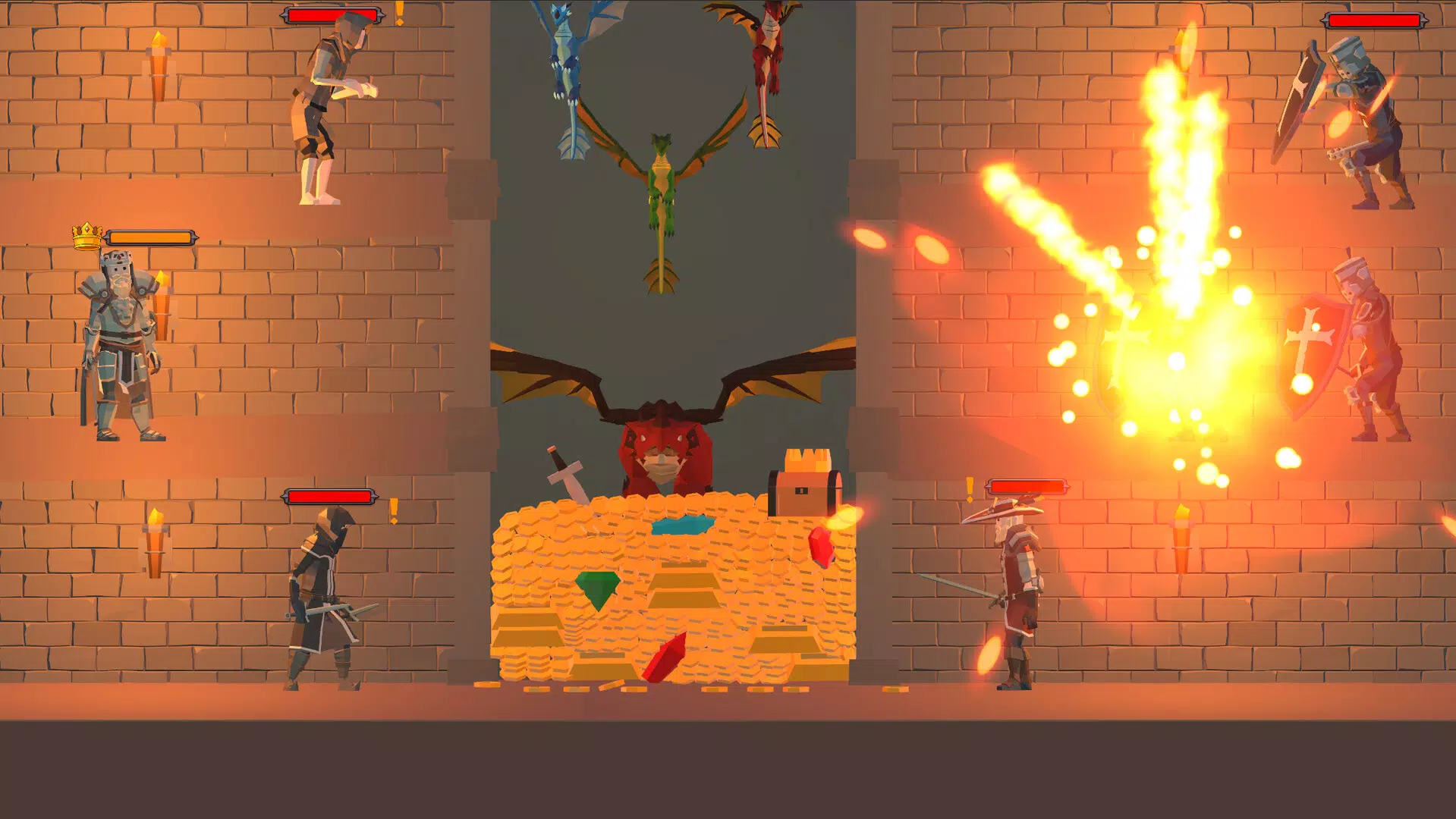
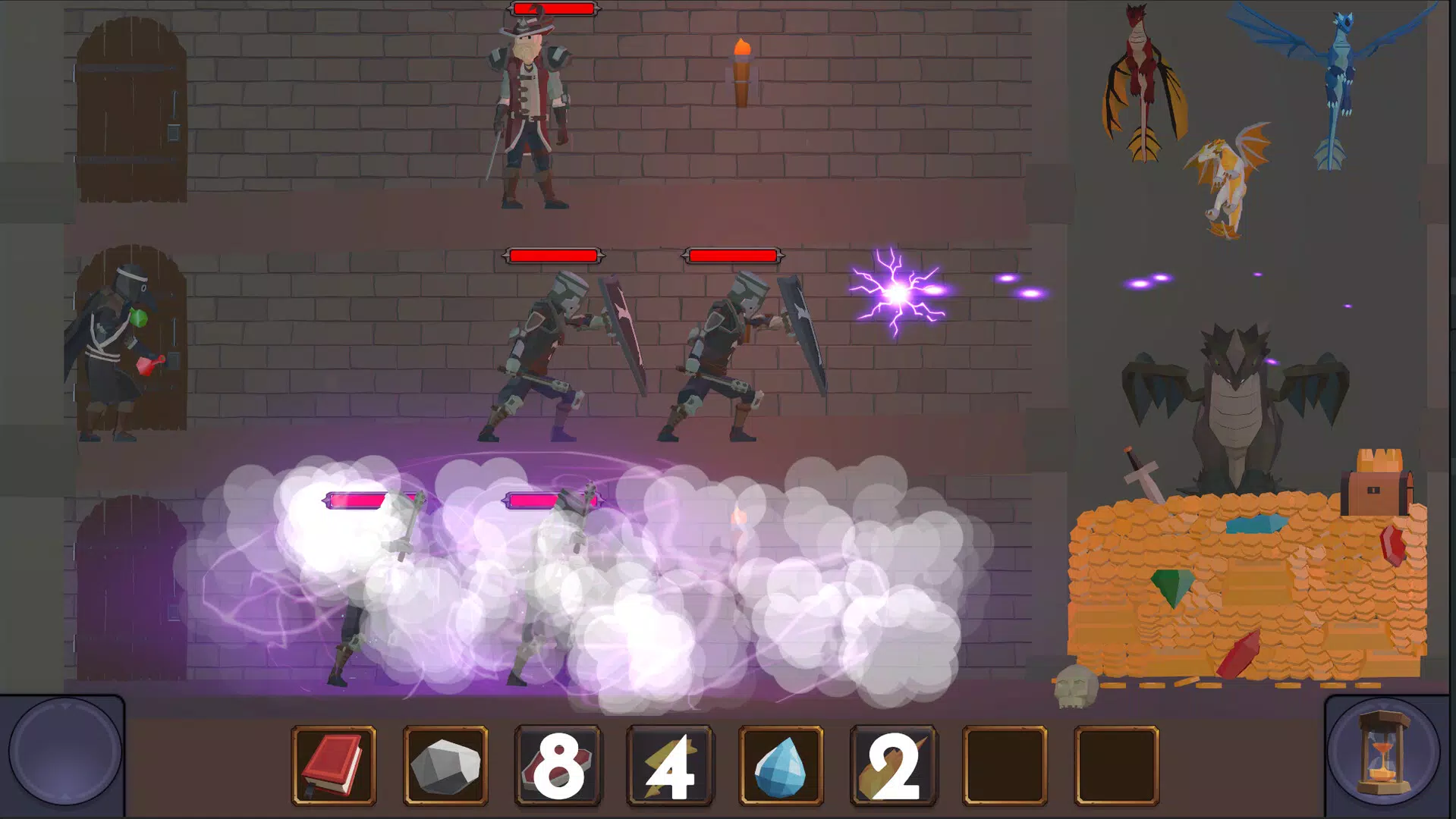
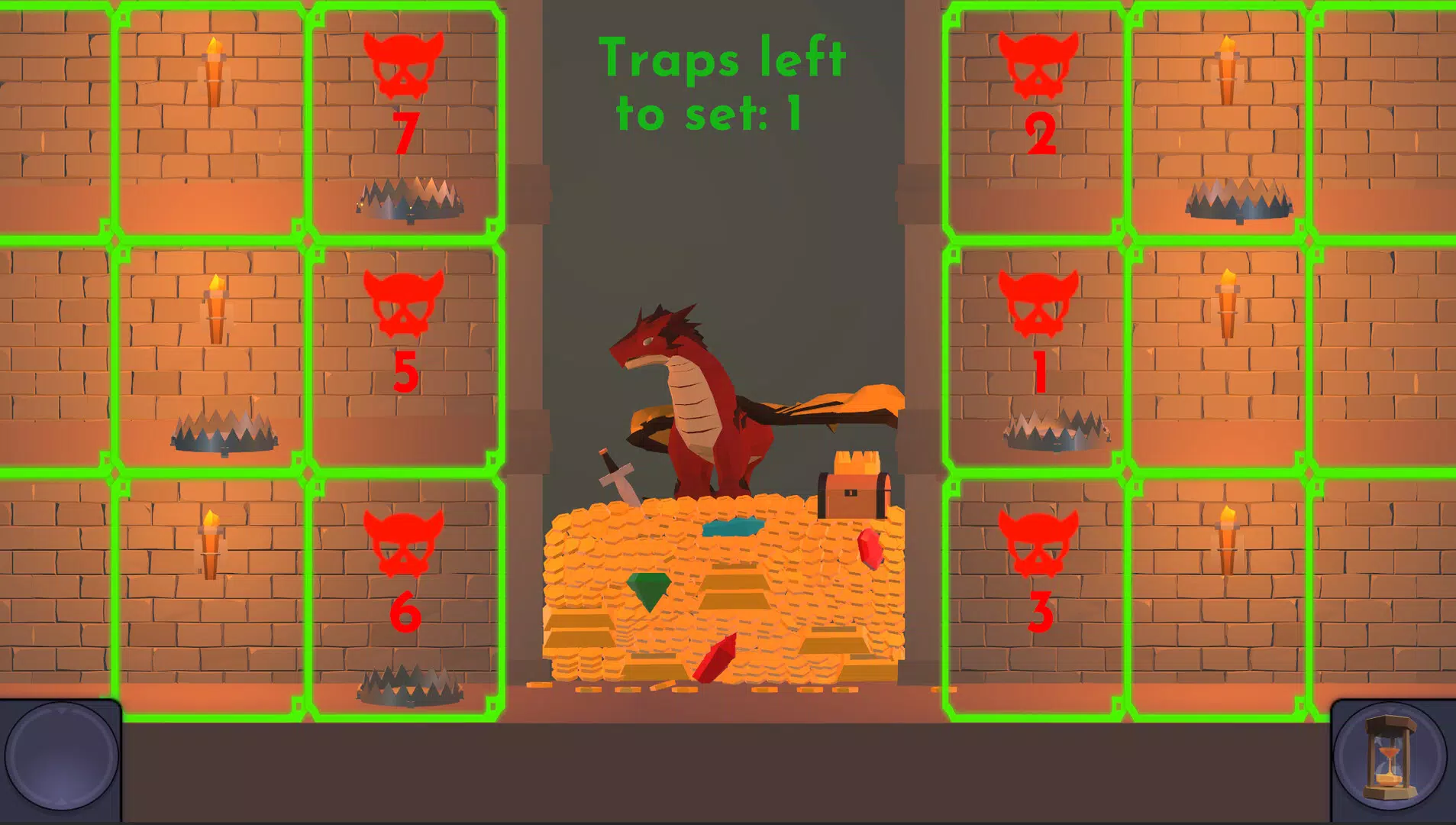
The game’s core mechanics revolve around elemental dragons, each with distinct abilities and recharge behaviors. Players can raise and deploy dragons representing five elemental types: fire, ice, poison, electricity, and water. These elements are not just visual effects—they influence combat outcomes through strategic interactions. For example, combining fire and water can create steam-based damage, while ice and electricity may result in frozen shocks. This layer of elemental synergy adds depth to the decision-making process. Each dragon’s unique recharge rate affects how frequently it can be used, encouraging players to manage their resources wisely across turns. The inclusion of traps allows for passive defense, enabling players to set ambushes in high-traffic zones. Effective trap placement can disrupt enemy formations and reduce the need for direct dragon engagement. Enemy variety is another key component, with foes ranging from fast-moving raiders to heavily armored protectors, each requiring tailored responses. The puzzle-like nature of each level means success isn’t just about surviving—it’s about optimizing performance to earn higher star ratings. This mechanic rewards players who experiment with combinations and refine their strategies over time. The game’s design ensures that even after completing a level, players are motivated to return for improved scores, enhancing replayability.Strategic Dragon Deployment
Players must consider timing and positioning when placing dragons. A fire dragon may be ideal for long-range area damage, while an ice dragon excels at slowing enemies. The decision to deploy a dragon depends not only on the enemy type but also on the current turn’s available actions and future planning.Elemental Synergy in Action
Combining water and electricity creates a powerful chain reaction, while poison and fire can inflict sustained damage over time. These interactions are not random—they are designed to encourage experimentation and mastery of the game’s systems.Interface, UX & Performance
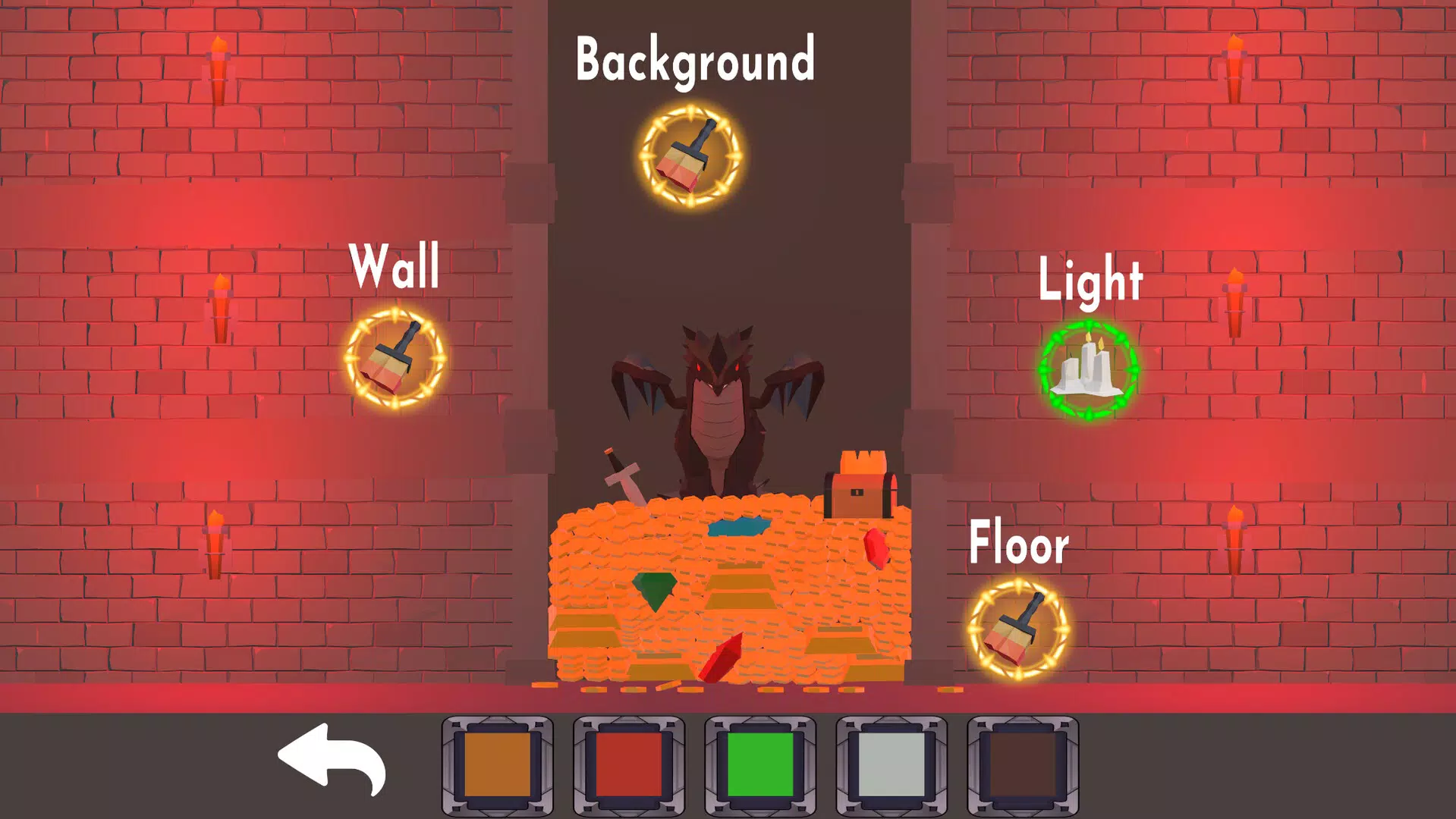
Treasure Protector features a clean, intuitive interface optimized for touch-based navigation. The battlefield is clearly laid out, with distinct zones for dragon placement, trap setup, and turn tracking. Visual design emphasizes clarity, using color-coded elements and icons to differentiate dragon types and enemy statuses. Navigation is straightforward, allowing players to access menus, view dragon stats, and adjust settings with minimal taps. The turn-based structure supports a relaxed pace, reducing cognitive load during gameplay. Although the developer did not list formal performance metrics, the game runs smoothly on standard Android devices, with responsive controls and consistent frame rates. Stability appears to be well-maintained, with no reported issues related to crashes or freezes. The UI adapts effectively to various screen sizes, ensuring a consistent experience across different device categories. While no specific information was provided about battery usage or background performance, the game’s turn-based nature suggests efficient resource management. Overall, the user experience is polished and focused, prioritizing accessibility without sacrificing strategic depth.Platform Compatibility & Technical Requirements
Treasure Protector is available exclusively on the Android platform. The app requires a minimum Android version, though specific requirements were not listed. The file size is 125 MB, indicating a lightweight installation that should fit comfortably on most modern smartphones. The game’s version is 1.0.0, suggesting it is in its initial release phase. The price is listed as free, with no in-app purchases or ads mentioned in the provided details. This makes it accessible to a broad audience without financial barriers. Compatibility with older Android versions cannot be confirmed due to the lack of disclosed requirements. However, the app’s size and turn-based mechanics suggest it is designed to function efficiently on a wide range of devices. Players are advised to ensure their devices meet the necessary system standards, though exact specifications were not provided by the developer.Pros and Cons
- Free to download and play with no upfront cost
- Unique elemental dragon mechanics that encourage strategic experimentation
- Turn-based design supports thoughtful, low-pressure gameplay
- Engaging puzzle-like level structure with high replay value
- Lightweight file size (125 MB) for easy installation
- Specific system requirements were not disclosed
- No information on in-app purchases or monetization model
- Compatibility with older Android devices remains unclear
- Developer details were not provided beyond the ID number
- Long-term update frequency or support plans were not specified


